




Abstract Submission Due Date Extended until October 2, 2026
Messages
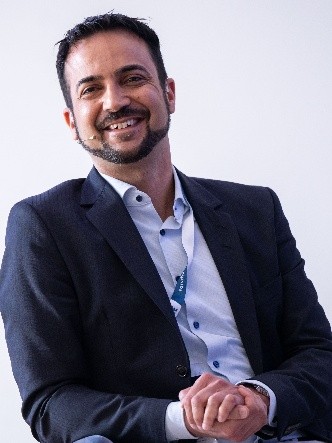
Munib Amin
Chair of IERE
E.ON, Germany
Message from IERE Chair
I am pleased to invite you to the 26th IERE General Meeting and Chubu EPCO–CRIEPI Japan Forum, which will take place from December 1 to 4, 2026, in Nagoya, Japan. Together with Chubu Electric Power Co., Inc. and the Central Research Institute of Electric Power Industry, we will hold the forum under the theme “Powering Today, Defining the Future.”
This theme captures one of the central challenges facing our industry. The power sector must continue to provide reliable and affordable energy every day. At the same time, we need to respond to accelerating decarbonization, changing patterns of supply and demand, aging infrastructure, growing concerns about energy security, and rapid advances in digital technologies.
We cannot choose between operating today’s system and building tomorrow’s. We must do both.
This means building on the assets, knowledge and operational experience already available, while remaining open to new technologies and new ways of working. Continuity and innovation should not be seen as opposing forces. The real task is to bring them together in ways that make our energy systems more sustainable, flexible and resilient.
For this reason, the forum will deliberately move beyond the consideration of individual technologies. A promising technology does not create value in isolation. Its contribution depends on how it interacts with generation, networks, storage, markets, and energy users. We therefore want to examine how different solutions can work together across the entire energy value chain – and where technical, economic or organizational barriers still prevent this.
Technological potential is essential, but it is not sufficient. Successful transformation also requires solutions that can be scaled, that are commercially viable and that can be implemented effectively in real power systems. Research and innovation must ultimately prove their value under operational conditions. This includes reliability, safety, affordability and the ability to integrate with existing infrastructure and processes.
The forum’s technical sessions reflect this practical perspective. They will address the transition from conventional inspection to predictive asset management, the development of more efficient, flexible and resilient power generation and networks, the relationship between energy security and Green Transformation, and the opportunities created by software-driven digitalization. Across these topics, the underlying question will be the same: how can we translate technological progress into solutions that deliver lasting value?
The answers will not be identical everywhere. Countries and regions have different resources, infrastructures, market structures and societal priorities. This is precisely why international exchange matters. By sharing practical experience – not only our successes, but also the obstacles and lessons encountered along the way – we can better understand which approaches are transferable and which need to be adapted to local conditions.
IERE provides a unique platform for this exchange. It brings together utilities, research organizations, technology providers and other experts from across the world. What matters to me is that we use this platform not only to present new ideas, but also to question them constructively, connect them with operational needs and explore opportunities for cooperation.
I encourage experts from IERE member organizations and beyond to contribute their work, practical experience and perspectives to the forum. The presentations, discussions and personal exchanges in Nagoya should help us identify realistic pathways for progress and establish new connections that continue beyond the event itself.
I would like to thank Chubu EPCO and CRIEPI for hosting and organizing this important meeting. Their combination of extensive operational experience and strong research capabilities reflects the central idea of the forum: powering the system of today while working together to define its future.
I look forward to welcoming you to Nagoya and to an open, practical and forward-looking exchange.
NODA Hidetomo
Senior Managing Executive Officer
Research and Development Division
Chubu EPCO, Japan
Message from Chubu EPCO
On behalf of Chubu Electric Power Co., Inc., the co-organizer of the 26th IERE General Meeting and the Chubu EPCO–CRIEPI Japan Forum, I would like to extend a warm welcome to all of you for attending this international conference in Nagoya.
First, let me tell you a little about Nagoya.
The Chubu region, where Nagoya is located—connecting Tokyo, Kyoto, and Osaka, Japan’s three major cities—is a thriving manufacturing hub. It is home to companies such as Toyota Motor Corporation in the automotive industry and Kawasaki Heavy Industries and Mitsubishi Heavy Industries in the aircraft industry, and is connected to the world through the Port of Nagoya, which handles the largest volume of cargo in Japan.
In addition, among historical figures, the three great warlords*1—ODA Nobunaga, TOYOTOMI Hideyoshi, and TOKUGAWA Ieyasu—who laid the foundation for modern Japan from the Sengoku period through the Edo period, all hailed from this Chubu region.
In terms of sightseeing, in addition to Nagoya Castle*2, Ise Grand Shrine*3, Takayama*4, and Shirakawa-go*5, Kyoto is just one stop away by Shinkansen, making it extremely convenient. This means you can use Nagoya as a base to visit a variety of fascinating destinations.
Now, these days, with a series of international conflicts and unprecedented natural disasters, the global situation has become increasingly turbulent, and ensuring a stable energy supply and a reliable electricity supply has become a top priority.
Under these circumstances, the electric power industry is called upon to undergo a transformation that allows it to respond flexibly while building on its traditional strengths.
As Japan as a whole works toward carbon neutrality, efforts such as the proactive adoption of cutting-edge technologies and the construction of new data centers in response to advancing digitalization will continue to accelerate in the future.
This trend is the same worldwide, and electricity supply is playing an increasingly important role.
To ensure the sustainable development of modern society into the future, there are still many research challenges that need to be addressed, including the design, operation, control, and maintenance of power and energy systems; the development, evaluation, and optimization of the underlying technologies; and the implementation of measures that are environmentally friendly.
We hope that this conference, which we are organizing together with all of you, will not only provide an opportunity to learn about various initiatives but also offer valuable insights and help you build professional networks that will benefit your future endeavors.
We look forward to welcoming you from December 1 through 4.
*1 Active from around 1560 to the early 1600s. ODA Nobunaga paved the way for national unification, TOYOTOMI Hideyoshi achieved national unification, and Tokugawa Ieyasu established the Edo Shogunate, which enjoyed 260 years of stability.
https://www.nagoya-info.jp/en/feature/detail/62
*2 Built by TOKUGAWA Ieyasu.
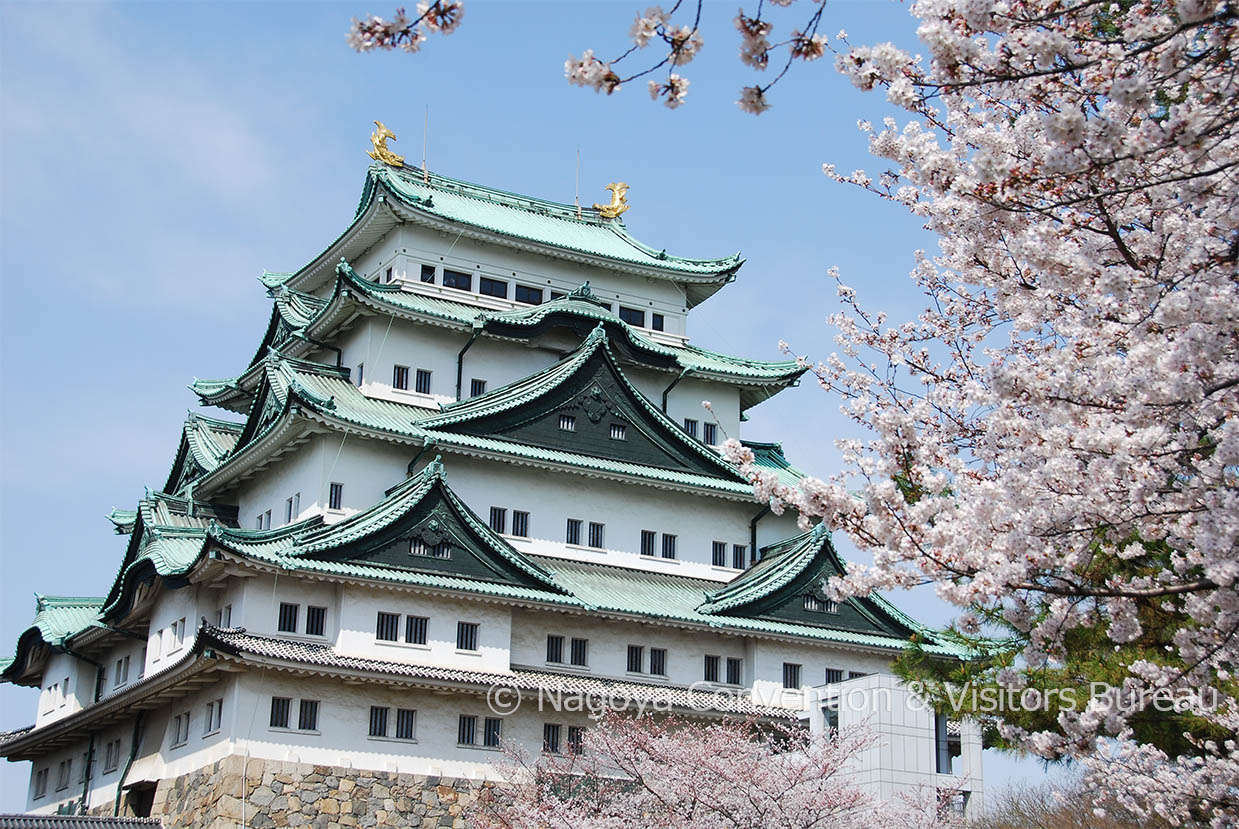
Famous for its golden orca-shaped ornament and the opulent Honmaru Palace.
https://www.nagoyajo.city.nagoya.jp/en
*3 It has a history of about 2,000 years as the center of shrines nationwide.
*4 As a castle town, it has many historic buildings.
*5 Famous for its World Heritage-listed gassho-zukuri houses.
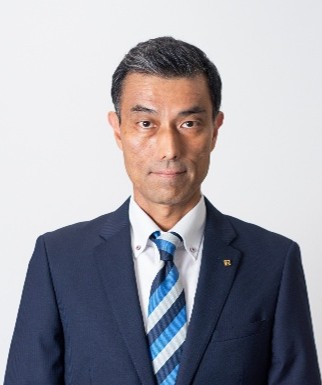
FUJIOKA Naoto
Vice President
Director of Grid Innovation
Research Laboratory
CRIEPI, Japan
Message from CRIEPI
CRIEPI is honored to co-host the 26th IERE General Meeting and Chubu EPCO–CRIEPI Japan Forum, and we sincerely welcome all participants visiting Nagoya, Japan.
The global electric power industry is undergoing significant transformation. The importance of energy and resource security is increasing, while the demand for decarbonization continues to rise. The expansion of renewable energy is fundamentally changing power system characteristics and making system operation more complex. At the same time, on the demand side, rapid growth driven by data centers is progressing, while challenges are emerging in maintaining infrastructure in regions facing declining demand due to population decrease.
It is not easy to foresee what kind of future lies ahead of these changes. However, understanding how challenges are being addressed around the world, as well as the current stage of advanced research and development, provides valuable insights for shaping the future. This forum offers an excellent opportunity for participants to share their expertise and engage in in-depth discussions on these critical issues.
Furthermore, we expect that this forum will promote closer collaboration among engineers from different countries, accelerating research and development and fostering innovations that lead to real-world implementation.
We look forward to meeting you in December and hope that we will share a productive and meaningful time together.
Overview
About the theme
Main Theme: Powering Today, Defining the Future
The power sector is entering a period of profound transformation, driven by accelerating decarbonization, evolving supply-demand dynamics, aging infrastructure, and rapid advances in digital technologies. In this changing environment, it is essential not only to envision the future, but also to build upon the technologies, operational expertise, and infrastructure already in place today.
This forum will explore how established power systems can be enhanced through innovation to deliver a more sustainable, flexible, and resilient energy future. Rather than viewing continuity and innovation as opposing forces, they must be integrated to create practical, scalable, and lasting value.
Under this theme, discussions will extend beyond individual technologies to examine how diverse solutions can work together across the energy value chain. Through the exchange of global perspectives, best practices, and strategic insights, the forum aims to identify realistic pathways for progress and inspire the next generation of transformation in the power industry.
Who Should Attend?
The Forum is intended for experts actively involved in the selected themes, from IERE members and non-members, as well as all those interested in the evolution of the electrical power industry and the technology development and business development opportunities associated to this evolution. Chubu Electric Power Co., Inc. (Chubu EPCO), Central Research Institute of Electric Power Industry (CRIEPI) and IERE will invite prominent speakers for keynote speeches.
Program
December 1, 2026
Welcome Reception
December 2, 2026
Opening Session
| Opening Address | Munib AMIN, IERE Chair |
| Welcome Speech | NODA Hidetomo, Senior Managing Executive Officer, Research and Development Division, Chubu EPCO, Japan |
Plenary Session
| Keynote Speeches | KATO Takeyoshi, Professor, Institute of Materials and Systems for Sustainability, Nagoya University, Tokai National Higher Education and Research System, Japan |
| KAWAKITA Koji, Fellow, Chief Technology Advisor, Chubu E PCO; Chair, CIGRE Honorary member; Chair of the CIGRE ELECTRA Editorial Board, Japan | |
| YOSHIBA Fumihiko, Associate Vice President, Energy Transformation Research Laboratory, CRIEPI, Japan |
Panel Session (TBD)
Technical Session
Technical Session 1: From Inspection to Prediction: Advancing Power Asset Management
Advancements in condition assessment and remaining useful life (RUL) prediction technologies are accelerating the transition from conventional inspection-based maintenance to data-driven predictive maintenance across power assets. This session will highlight the latest developments in asset monitoring and degradation forecasting, while exploring future directions for advanced asset management and optimized maintenance strategies.
Potential topics include:
- Aging asset assessment
- Remaining life evaluation and life extension
- Replacement cycle optimization and forecasting
- Enhancement of maintenance quality and productivity
- Preventive measures against equipment failures
- Reliability improvement and risk mitigation
- …
Technical Session 2: Advancing Power Generation and Networks: Efficiency, Flexibility, and Resilience
With the rapid expansion of renewable energy and evolving electricity demand patterns, there is a growing need to enhance the integrated power system—from generation through transmission and distribution—in terms of efficiency, flexibility, and resilience. This session will showcase the latest technologies and initiatives, including grid-scale battery storage, reduction of transmission and energy conversion losses, optimized asset operation for higher utilization, and measures to strengthen system resilience. Discussions will also explore the future vision and strategic direction of next-generation power networks.
Potential topics include:
- Grid-scale battery storage systems
- Reduction of transmission and energy conversion losses
- Optimized asset operation and higher asset utilization
- Grid flexibility and balancing capability
- Enhanced infrastructure and system resilience
- Smart network operation and control
- …
Official Dinner
December 3, 2026
IERE General Meeting
| Report on IERE Activities (November 2025–November 2026) | Munib AMIN, IERE Chair |
| Ongoing Projects and Upcoming Events | TAKEI Katsuhito, Secretary General, IERE |
| Special Lecture | THE COMPLEXITY ADVANTAGE: From Chaos to Clarity – Solving wicked problems with systems thinking, system design and design thinking Gregory TOSEN, IERE Advising Chair Emeritus |
Special Session (Part 1)
The Report of IERE Technology Foresight
Ankit A. SHUKLA, Vice President, TechVision, Frost & Sullivan, UK
Special Session (Part 2)
Featured Company Overviews, Strategies, and Roadmaps
Details to be announced
Technical Session
Technical Session 3: Energy Security and GX: Shaping the Future of Energy
Amid growing geopolitical uncertainty and challenges in securing fuel supplies, ensuring a secure and reliable energy supply has become increasingly important in the transition toward a net-zero society. Centered on GX (Green Transformation), this session will explore next-generation energy systems enabled by the integration of renewable energy, hydrogen, energy storage, electrification, CCUS (Carbon Capture, Utilization and Storage), and other emerging technologies. It will also address key challenges and practical solutions for large-scale deployment and commercialization, while discussing the future vision of a sustainable energy society.
Potential topics include:
- Energy security and security of supply
- Energy mix optimization
- Renewable energy integration
- Energy efficiency and demand-side management
- Hydrogen and ammonia utilization
- Next-generation power generation technologies
- Carbon neutrality and net-zero pathways
- Regional resource circulation and circular economy
- Environmental impact reduction and emissions mitigation
- …
Technical Session 4: Software-Driven Digital Transformation and Value Creation in the Power Sector
Digital transformation (DX), powered by software, data, and intelligent technologies, is advancing operational excellence and creating new value across the power sector. This session will highlight the latest developments in data analytics, business process transformation, grid and asset optimization, and new service creation through technologies such as AI (Artificial Intelligence) and IoT (Internet of Things). It will also discuss key challenges and future directions for scalable deployment and practical adoption.
Potential topics include:
- AI, IoT, and ICT (Information and Communication Technology)
- Big data analytics
- Digital twin technologies
- EMS (Energy Management System)
- Smart grid platforms and automation
- Robotics and autonomous operations
- Worker safety and field support technologies
- Predictive analytics and decision support
- Cybersecurity for digital infrastructure
- …
Poster Session (TBD)
Closing Remarks
FUJIOKA Naoto, Vice President, Director of Grid Innovation Research Laboratory, CRIEPI, Japan
TAKEI Katsuhito, Secretary General, IERE
Social Event (Optional)
Note: The number of participants is limited to 40, and registrations will be accepted on a first-come, first-served basis. We encourage you to register early!
Visit to Chubu Electric Power MIRAI TOWER — a Nationally Designated Important Cultural Property — with dinner featuring seasonal ingredients from Central Japan.
“Welcome to Chubu Electric Power MIRAI TOWER”
This tower was built as the Nagoya TV Tower during Nagoya’s post-war reconstruction and urban planning for tourism and to transmit television broadcasting signals and was completed in 1954. At the time, it was the tallest building in the Orient, measuring 180 meters in length, and was nicknamed the “Eiffel Tower of the Orient.”
It is the first tower in Japan to be designated as a national tangible cultural property. In 2022, its historical and technological value, becoming the first tower in Japan to be designated as an Important Cultural Property.
In the middle of Nagoya increasingly high-rise buildings, this tower continues to offer breathtaking 360-degree panoramic night view. It was also certified as Japan Night View Heritage based on criteria such as having artistic value, expressing the local characteristics, and having a significant cultural influence on the location.
The tower was relaunched under the new name “Chubu Electric Power MIRAI TOWER” in 2021 following a regional partnership between Nagoya TV Tower Co., LTD and Chubu Electric Power Co., Inc. The partnership aims to promote regional revitalization and contribute to the continued growth and prosperity of the Chubu region.
More than 70 years after its completion as Japan’s first integrated radio tower, Chubu Electric Power MIRAI TOWER remains as well-known landmark of the city of Nagoya. We invite you to enjoy an unforgettable evening of fine cuisine and magnificent night views at this nationally designated Important Cultural Property.
https://www.nagoya-tv-tower.co.jp/https://www.nagoya-tv-tower.co.jp/fee/leaflet_otherlang.pdf
December 4, 2026
Technical Tour (Optional)
Note: The number of participants is limited to 40, and registrations will be accepted on a first-come, first-served basis. We encourage you to register early!
Technical Tour to JERA Hekinan Thermal Power Station (Ammonia Co-Firing), including Lunch
Located approximately 40 km south of Nagoya on the shore of Kinuura Bay, Hekinan Thermal Power Station is the largest coal-fired power station in Japan and among the largest in the world. Since Unit 1 entered commercial operation in 1991, the plant has expanded to five generating units with a total installed capacity of 4.1 GW, providing a stable electricity supply to the Chubu region and other areas. The site includes large-scale facilities typical of a modern coal-fired power station, including boilers, steam turbines, generators, coal storage yard covering approximately 300,000 square meters, with a storage capacity of up to 880,000 tonnes of coal (equivalent to approximately one month’s consumption), ash pond, and advanced environmental protection systems. The plant’s distinctive architecture, inspired by yachts sailing on Mikawa Bay, blends harmoniously with the surrounding landscape.
Hekinan Thermal Power Station is also playing a leading role in the decarbonization of thermal power generation. In 2024, the plant successfully completed a demonstration project on ammonia co-firing, using ammonia as a carbon-free fuel to reduce CO₂ emissions from coal-fired generation. Building on the successful results of the demonstration, the station is now working toward the commercial operation of 20% ammonia co-firing (on a heat input basis) as an important step toward achieving carbon neutrality by 2050. The ammonia fuel is transported by dedicated carriers in a liquefied state at approximately -33°C and stored in dedicated storage tanks.
Important Information for International Participants
Participants wishing to join the Technical Tour must submit a scanned copy of their passport by October 31, 2026 for security screening and access arrangements.
Submitted identification documents will be handled in accordance with CRIEPI’s Declaration of Limited Use of Identification Documents.
Participation in the Technical Tour is subject to review in accordance with applicable regulations and guidelines issued by the relevant Japanese and U.S. ministries and authorities. CRIEPI reserves the right to approve or decline participation requests based on these requirements.
Call for Presentations
You are kindly invited to submit abstracts for the Oral Session or Poster Session for the Chubu EPCO–CRIEPI Japan Forum by email. Please also submit the Speaker Information.
Abstract & Speaker Information
Abstract Submission Deadline: Extended to October 2, 2026
Please submit your abstract and Speaker Information using the official template.
Official Template
Submission
Email your completed template and any figures to:
register(at)iere.jp
Please replace “(at)” with “@”.
Submission Guidelines
- The official language of the IERE Forum is English.
- Submitted abstracts will be posted on the IERE website and made publicly accessible.
- The presentation format (Oral or Poster) may be adjusted depending on the total number of submissions.
Presentation Slides
Submission Deadline: November 16, 2026
Please prepare your presentation slides in PowerPoint format.
Submission
Email your presentation slides to:
register(at)iere.jp
Please replace “(at)” with “@”.
Presentation Slide Guidelines
- The official language of the IERE Forum is English.
- Presentation slides will be posted on the IERE website and made available to IERE members and Forum participants.
- If you do not wish to have your presentation slides published online, please contact the IERE Central Office in advance.
Important Deadlines
| October 2, 2026 | Abstract Submission |
| October 31, 2026 | Visa Invitation Letter Request (Passport Copy Required) |
| October 31, 2026 | Technical Tour Passport Copy Submission (Required for all international participants) |
| November 16, 2026 | Registration |
| November 16, 2026 | Presentation Slides Submission |
| November 16, 2026 | Payment |
Registration & Payment
Registration Deadline: November 16, 2026
Registration
Registration is required for all participants.
Registration Fees
| Participant Category | In-Person | Online |
|---|---|---|
| IERE Members | USD 800 | To be announced |
| Non-IERE Members | USD 1,200 | To be announced |
| Academic Participants | USD 600 | To be announced |
| Student Participants | USD 200 | To be announced |
Important: All Technical Session presenters are required to register and pay the applicable registration fee.
The registration fee includes:
- Full access to both Forum days
- Lunches and refreshments during coffee breaks
- Welcome Reception on December 1
- Official Dinner on December 2
- Conference materials
Online participation details will be announced at a later date.
Optional Events
Participants may add the following optional events to their registration.
| Optional Event | Date | Fee |
|---|---|---|
| Social Event | December 3 | USD 55 |
| Technical Tour | December 4 | USD 45 |
Accommodation and travel expenses are not included in the registration fee.
Accompanying Guests
The following fees apply to accompanying guests:
| Event | Date | Fee |
|---|---|---|
| Welcome Reception | December 1 | USD 90 |
| Official Dinner | December 2 | USD 110 |
| Social Event | December 3 | USD 45 |
| Technical Tour | December 4 | USD 55 |
Registration Process
Two registration methods are available: online (recommended) or email.
Method (a): Online Form Registration (Recommended)
Method (b): Email Registration
If you are unable to use Google Forms, please download the form below and email it to register@iere.jp.
Online Participation
Only the Keynote Speeches and Special Sessions will be delivered in a hybrid format. Details of online participation will be announced at a later date.
Payment
Payment Deadline: November 16, 2026
Note: All Technical Session presenters are required to pay the registration fee.
1. Credit Card
Credit card payments can be made securely through PayPal.
2. Bank Transfer
Please ensure that all bank transfer fees (including intermediary bank charges) are covered by the sender.
Beneficiary Bank: MUFG BANK, LTD.
SWIFT Code: BOTKJPJT
Branch Name: Seijo Branch
Branch Address: 15-1 Seijo 6-chome, Setagaya-ku, Tokyo, 157-0066 JAPAN
Account Name: IERE
Account Number: 0068198
Visa Support
Visa Invitation Letter Request Deadline: October 31, 2026
Participants from certain countries may require visa to enter Japan. Please refer to the following website or consult a travel agent in your country for further details:
URL: https://www.mofa.go.jp/j_info/visit/visa/index.html
If you require an official invitation letter for entry visa issuance, please submit the completed Invitation Letter Request Form to the IERE Central Office via email at register@iere.jp.
Please allow 1 to 2 weeks for processing and issuance of invitation documents.
Venue
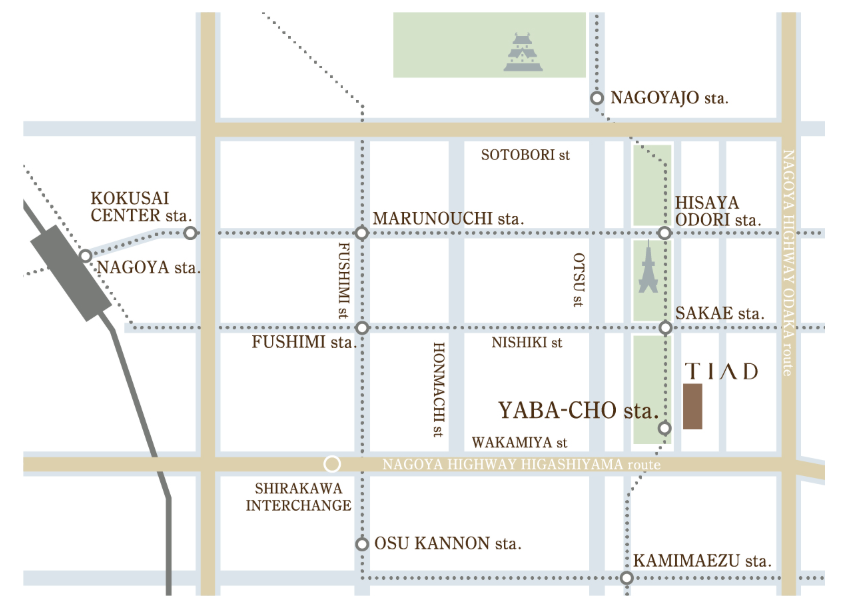
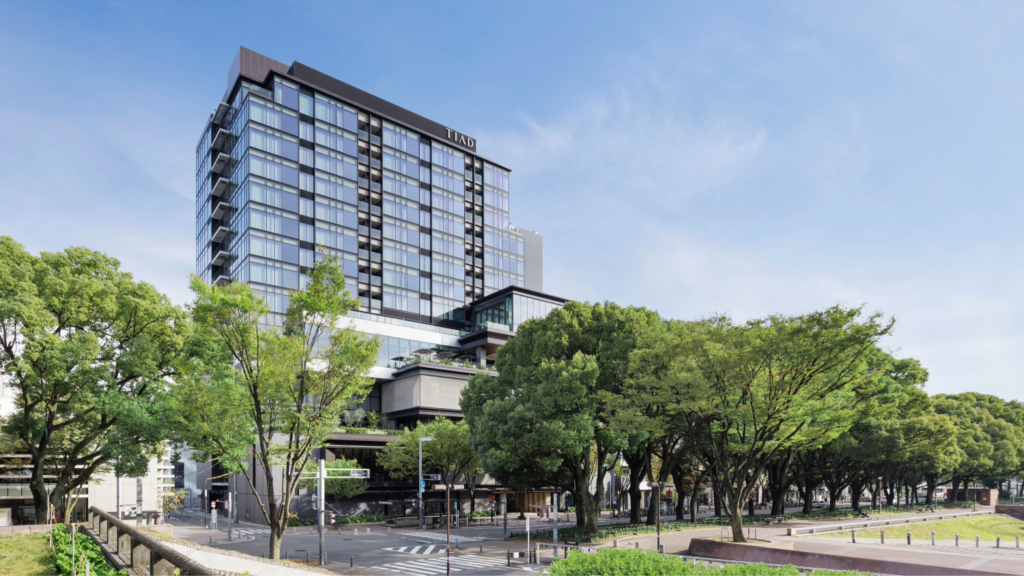
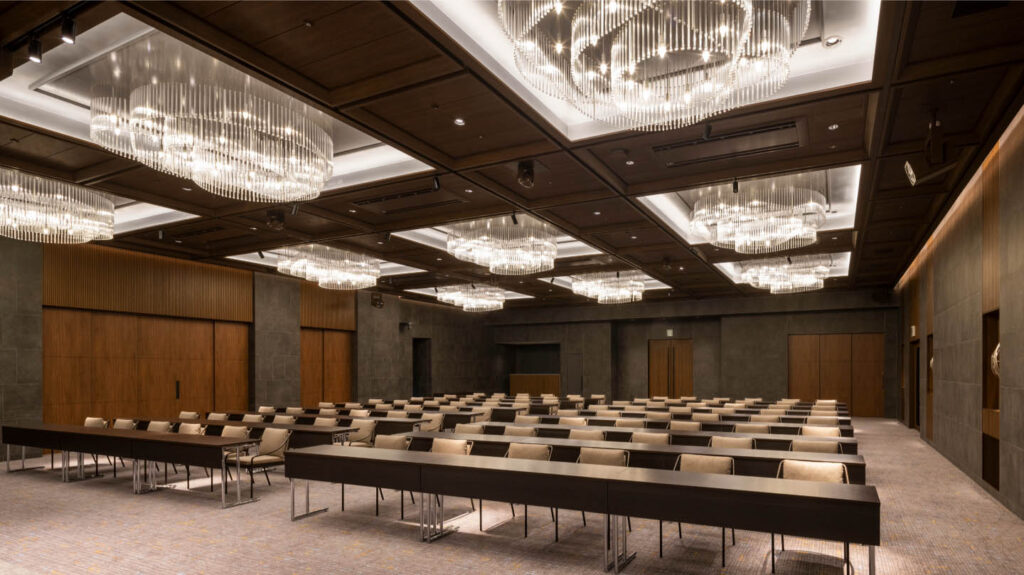
TIAD, Autograph Collection
5-15-19 Sakae, Naka-ku, Nagoya, Japan
https://hotel-tiad.com/en
Location of TIAD, Autograph Collection
Hotel Information

Organizer
Chubu EPCO
Chubu Electric Power Company, Incorporated, established in 1951, is one of Japan’s leading integrated energy companies. Guided by its corporate philosophy, “Connecting people and communities through the energy of happiness,” the company is dedicated to ensuring a stable and reliable electricity supply across central Japan while advancing the transition toward a safe, secure, and decarbonized society. Its initiatives encompass the development of distributed and circular energy systems, the delivery of customer-focused services, the creation of new business opportunities through business transformation, and the promotion of electrification to support sustainable growth and enhanced societal value.
As part of its group-wide sustainability strategy, Chubu Electric Power aims to reduce CO₂ emissions associated with customer electricity consumption by 50% from 2013 levels by 2030 and to achieve net-zero emissions across its entire value chain by 2050. To realize these ambitions, the company is actively expanding its renewable energy portfolio, including solar, wind, hydro, biomass, and geothermal power generation. These efforts are expected to strengthen its low-carbon generation mix while enhancing long-term energy security and supply reliability.
Recognizing the challenges associated with the growing penetration of variable renewable energy resources, the company is also enhancing the flexibility and resilience of its power grid. In collaboration with local governments and regional stakeholders, it is advancing the development of distributed energy systems and microgrids that integrate renewable generation, battery storage, and advanced energy management technologies. These initiatives help optimize local energy utilization, improve system reliability, and ensure a stable electricity supply during emergencies and natural disasters.
Through the integration of extensive operational expertise and forward-looking innovation, Chubu Electric Power continues to strengthen its position as a trusted partner in the global energy transition. By fostering resilient, sustainable, and customer-centered energy solutions, the company is committed to contributing to a secure and prosperous energy future for generations to come.
CRIEPI
Central Research Institute of Electric Power Industry (CRIEPI) is a central and academic research institution for the electric power industry, supports the transformation of technologies and systems pertaining to the supply and use of electric power and other forms of energy, and thus leads technological innovation in the energy industry. Since its foundation in 1951, we have contributed to the electric power industry from the aspect of R&D which is the pillar of the development of Japanese economy and society.
Japanese energy policy has aimed to simultaneously achieve S+3E (Safety, Energy security, Environment, and Economic efficiency). Based on this policy, we are challenging to resolve medium- and long-term issues through cross-disciplinary research by a wide range of experts from natural sciences and engineering to social sciences, with research collaboration with institutions concerned in Japan and abroad.
CRIEPI is primarily composed of the Socio‑Economic Research Center, the Nuclear Risk Research Center, and three research laboratories: Energy Transformation Research Laboratory (EXRL), Grid Innovation Research Laboratory (GdRL), and Sustainable Systems Research Laboratory (SSRL). As of the end of FY2025, our total staff consists of 765 employees, including 673 research personnel and 92 administrative personnel. The research staff cover a wide range of fields, including 396 researchers who hold doctoral degrees. Across these centers and laboratories, we promote the fusion of knowledge and technologies, working collaboratively to drive flexible and rapid research and development.
Check out the following pages of this brochure to find out more about 75 years of expertise and experience that benefit your business in various ways.
https://criepi.denken.or.jp/en/publications/technologies/index.html
IERE
IERE is an organization for exchanging electricity and energy related cutting-edge technologies and R&D information among its members from the electricity and energy supply industry, equipment provider businesses, academic research, government, etc. This unique platform is of great help for executives, senior managers, engineers, and researchers who are responsible for R&D and solutions. It is a worldwide, non-profit organization, established as “International Electric Research Exchange” in 1968.
https://www.iere.jp
Join Us
Interested in IERE membership?
See the available options and how to apply.
Contact
Questions or proposals? We welcome your message.
Please also check our FAQ.